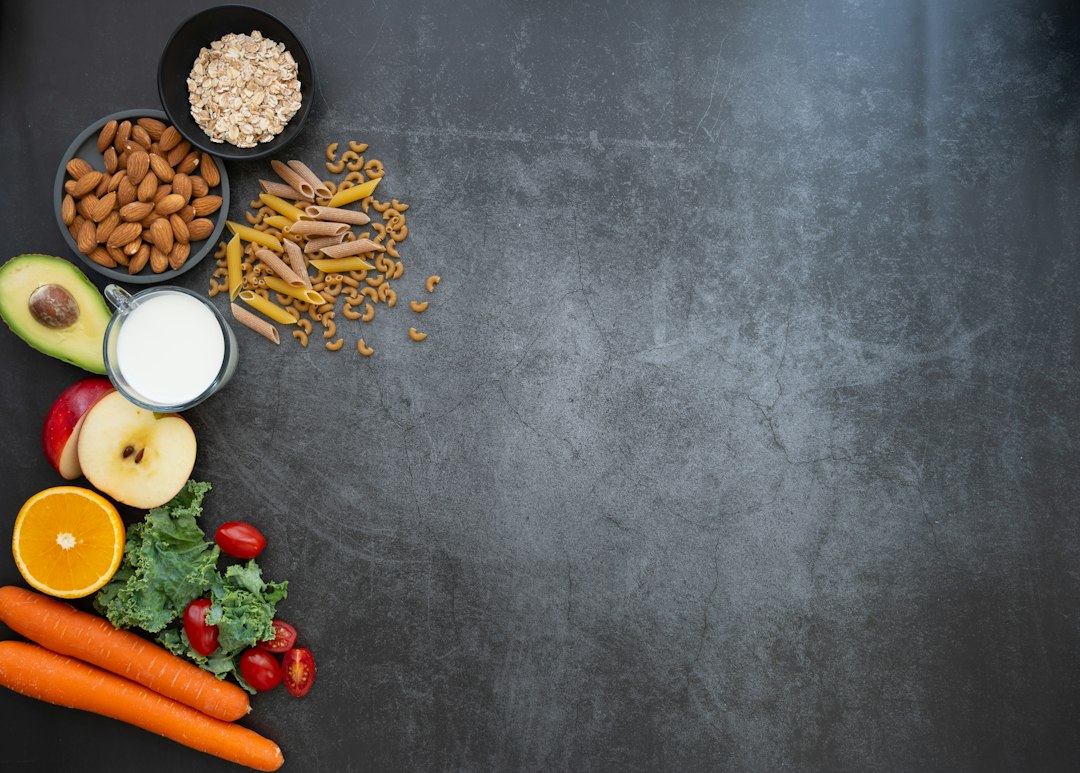
A practical way to interpret public-health values, exercise targets, and your own starting point.
You read that adults need 0.8 grams of protein per kilogram, then see another recommendation of 1.2-1.6, and finally hear a gym recommendation approaching 2.0. It can look as though somebody must be wrong. Often, the numbers answer different questions.
Before choosing a target, check who the recommendation concerns and what it is intended to support. Maintaining adequate nutrition, supporting demanding exercise, and managing a medical condition are related tasks with different starting assumptions.
A reference value is not a sporting optimum
Germany’s DGE lists 0.8 g/kg/day for adults aged 19 to under 65 and an estimated adequate intake of 1.0 g/kg/day from 65. Its calculations refer to normal body weight. These population values should not be presented as prescriptions for maximizing every training adaptation. [1]
The U.S. Dietary Guidelines for Americans, 2025-2030, present a target of 1.2-1.6 g/kg/day. That policy target does not demonstrate that every healthy adult below 1.2 is deficient, nor does it identify a universal athletic optimum. Different guidance needs to be read in its own population and policy context. [2]
Protein supplies amino acids used throughout the body, not only in visibly larger muscles. But the fact that protein is essential does not establish that every increase beyond your present intake brings an additional benefit. A reference value, a research estimate, and a practical coaching target are different tools.
Exercise changes the planning question
The ISSN position stand gives approximately 1.4-2.0 g/kg/day for many healthy exercising adults. Training, energy intake, age, and the particular goal influence how that framework is used. It is a range for planning, not an instruction to start at the highest number. [3]
For a healthy recreational lifter, 1.6 g/kg can be a manageable starting calculation. A 75 kg adult would calculate 120 g of protein daily. That means 120 g of the nutrient, not 120 g of chicken or tofu: food also contains water and other nutrients.
At 1.4, 1.6, and 2.0 g/kg respectively, the arithmetic is 84, 96, and 120 g for a 60 kg adult; 105, 120, and 150 g at 75 kg; and 126, 144, and 180 g at 90 kg. These are examples, not individualized prescriptions.
Check the denominator before multiplying
Recommendations may refer to current body weight, normal or reference weight, or fat-free mass. Those quantities are not interchangeable. With substantial excess body fat, automatically multiplying a high current weight by the highest athletic factor can produce an unsuitable target. A dietitian can choose an appropriate reference weight. [1]
The same caution applies to copying an athlete’s food diary. Observed intake does not reveal what caused that athlete’s performance. Training, total energy, genetics, and recovery also matter. A successful person’s menu is not a controlled comparison of protein doses.
Women need context, not an automatic discount
Average differences in body composition do not justify assigning every woman the lowest target. Consider training, energy availability, age, and reproductive life stage. The 2023 ISSN female-athlete position stresses those wider nutritional considerations; female-specific research also remains limited. [4]
A practical target should therefore come from the same decision process: identify the goal, assess the diet, choose a manageable starting point, and review the whole routine. Sex alone cannot complete that assessment.
Compare a target with what you actually eat
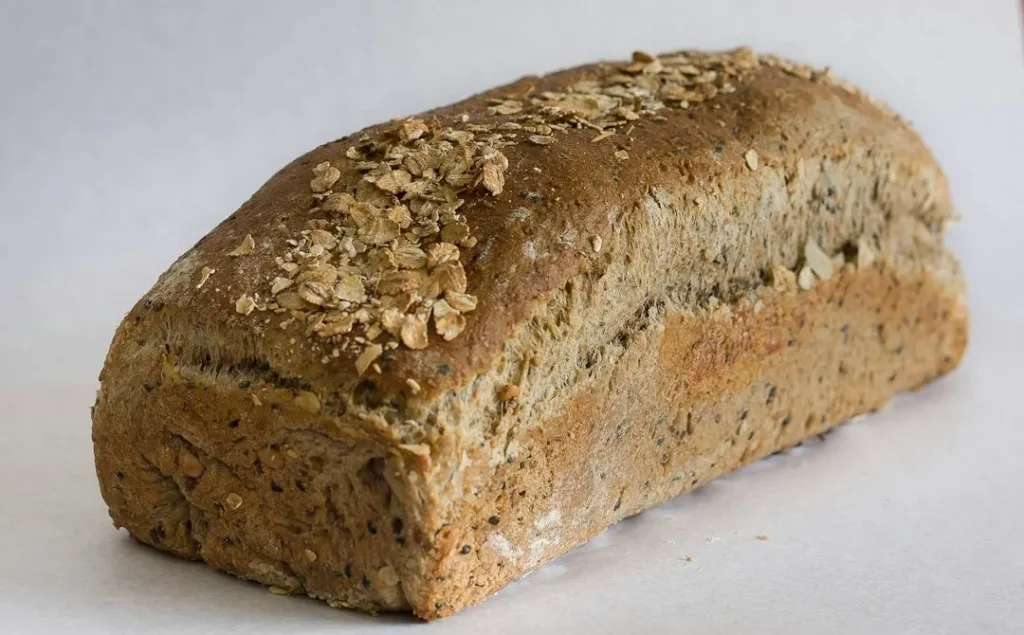
As a coaching exercise, look at three ordinary days: a training day, a rest day, and a day with a different schedule. Estimate portions using labels or one consistent food database. Count protein across the whole diet, including dairy or suitable alternatives, beans, grains, and bread.
This is a planning exercise, not a validated diagnostic test. You are looking for patterns: perhaps breakfast contributes little, or dinner depends on whatever is left. If tracking creates distress, use a simple meal structure instead.
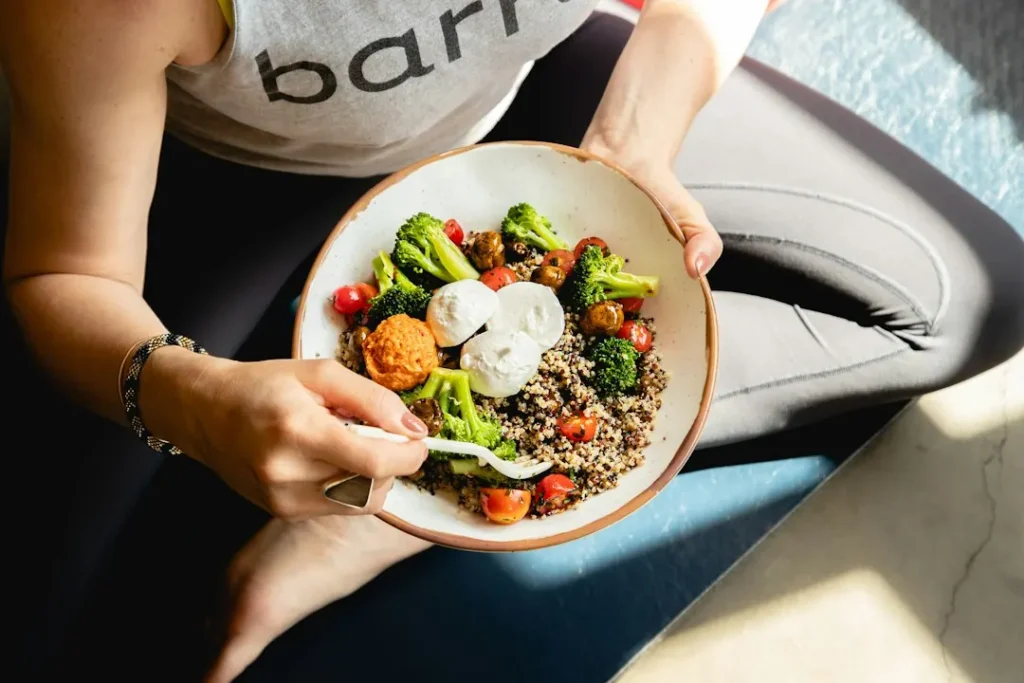
For an illustrative 120 g day, four eating occasions averaging 30 g or three averaging 40 g reach the same total. Neither arrangement is a proven universal optimum. Choose enjoyable foods and actual portions that fit your budget, digestion, and schedule. Powder can help with convenience, but its usefulness depends on the gap it fills.
Frequently asked questions
Should I sharply cut protein on rest days? Usually, a similar routine is a practical default; recovery does not stop when the workout ends. The overall food plan can still respond to activity.
Is a small shortfall a failure? No. Planning figures and food composition are estimates. A consistent pattern matters more than compensating with an uncomfortable late-night meal.
Does more always improve muscle growth? No. Resistance-training research shows diminishing returns; extra protein also cannot replace training. [5]
For more on turning a target into food choices, see our guide to protein sources, meals, and supplements.
Summary
Read the population, purpose, and weight basis before adopting a protein number. Then compare a sensible target with ordinary meals. Your next step is to write down what your chosen figure is meant to support, and improve one recurring intake gap without crowding out the rest of your diet.
Disclaimer
Disclaimer: The information provided in our articles is for informational purposes only and is not intended to be a substitute for professional medical advice, diagnosis, or treatment.
Sources
- German Nutrition Society (DGE). Reference values for protein. Official reference-value table.
- U.S. Department of Health and Human Services; U.S. Department of Agriculture (2025-2030 edition). Dietary Guidelines for Americans: Eat Real Food. Official guidance; protein target 1.2-1.6 g/kg/day.
- Jäger R, Kerksick CM, Campbell BI, et al. (2017). International Society of Sports Nutrition Position Stand: protein and exercise. Journal of the International Society of Sports Nutrition. 14:20. DOI: 10.1186/s12970-017-0177-8.
- Sims ST, Kerksick CM, Smith-Ryan AE, et al. (2023). International society of sports nutrition position stand: nutritional concerns of the female athlete. Journal of the International Society of Sports Nutrition. 20:2204066. DOI: 10.1080/15502783.2023.2204066.
- Nunes EA, Colenso-Semple L, McKellar SR, et al. (2022). Systematic review and meta-analysis of protein intake to support muscle mass and function in healthy adults. Journal of Cachexia, Sarcopenia and Muscle. 13:795-810. DOI: 10.1002/jcsm.12922.


Add comment