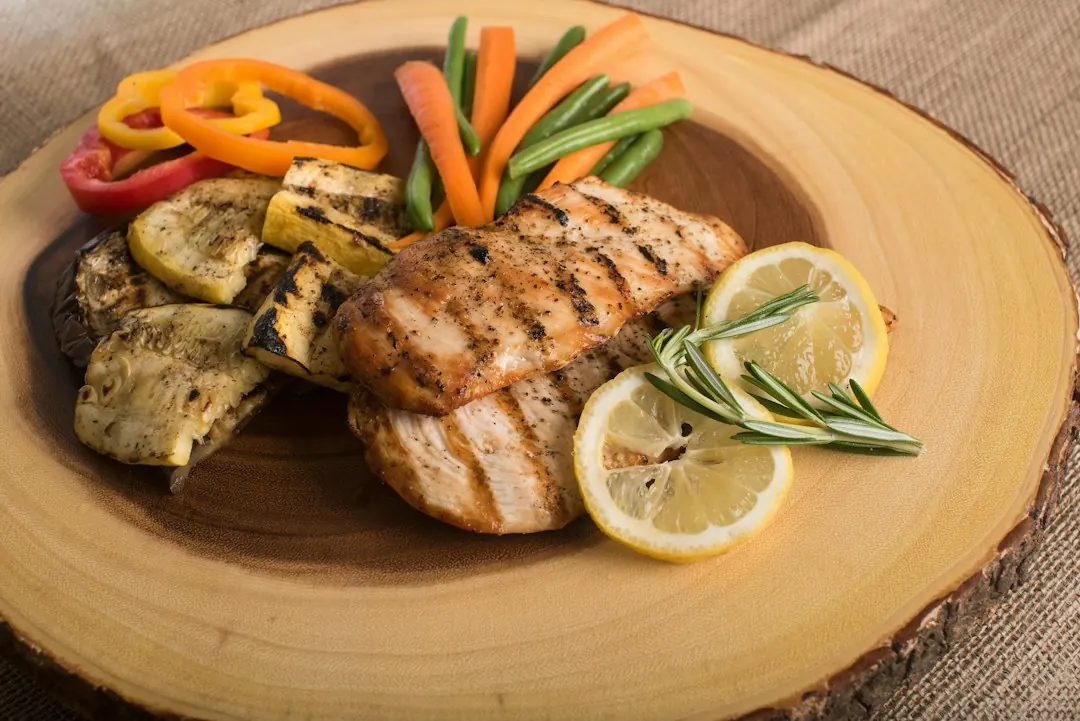
Protein can support a better body-composition strategy. It cannot make excess calories disappear. Here is how to use it without falling for the fat-blocker myth.
You eat a little more protein, keep training, and hope your body sends the extra food toward muscle instead of your waistline. It is an appealing idea. It is also easy to turn into a promise that science does not support.
Protein can help you build a better nutrition plan. It does not give you unlimited room to overeat.
I would rather give you a useful principle than an exciting shortcut: control the size of the surplus, give your muscles a reason to adapt, and judge progress by more than the scale.
“Protein is not a fat blocker. It is a body-composition tool.”
The overfeeding study people often misunderstand
In a tightly controlled eight-week trial, researchers deliberately overfed 25 adults while assigning different protein intakes. The low-protein group gained less total weight, but fat gain was similar across groups. Higher-protein diets affected lean-body-mass changes and energy expenditure—not protection against fat accumulation. [1]
That distinction changes the whole story. Less weight gain did not mean a better body-composition result. More protein did not mean excess energy became harmless.
The study was small and used substantial, supervised overfeeding. It cannot tell us exactly what will happen to every recreational lifter during a modest muscle-gain phase. It does, however, directly contradict the claim that protein prevents fat gain when calories are excessive. [1]
What this means for you: a headline about body weight is not automatically a headline about body fat. Always ask what was actually measured.
Choose the goal before choosing the diet
“Store less fat” could mean losing existing fat, gaining muscle with less additional fat, or preventing gradual weight gain. Those goals need different food amounts.
My coaching starting point is to choose one main objective for the next several weeks. Do not try to run an aggressive fat-loss phase and an aggressive muscle-gain phase at the same time.
For fat loss, build a manageable reduction in intake rather than simply adding protein shakes to everything you already eat. During a muscle-gain phase, start conservatively and review the trend instead of assuming a large surplus must produce faster muscle growth. For maintenance, identify the everyday additions that quietly change your usual intake: larger portions, frequent snacks, drinks, and weekend eating.
These are planning choices, not a laboratory formula for your personal calorie needs. The useful question is: does the pattern you can repeat produce the direction you intended?
Make protein part of the meal—not a permission slip
Many exercising adults benefit from protein above minimum requirements. Needs are individual, and ordinary food can supply it; supplements are optional. [3]
For everyday planning, I suggest giving each main meal a recognizable protein source. That might be yogurt, eggs, fish, poultry, tofu, tempeh, or a well-planned combination of legumes and other foods. Then build the rest of the plate around your preferences and training demands.
Notice what this approach does not say. It does not require eliminating carbohydrates. It does not turn cheese, nut butter, or protein bars into unlimited foods. And it does not require eating the highest protein amount you can tolerate.
For kidney disease or a prescribed medical diet, discuss protein targets with your clinician or dietitian rather than copying an athlete’s plan. [3]
Give your body a reason to keep muscle
When people with overweight or obesity lose weight through dietary intervention, adding resistance exercise can improve the result: a recent systematic review found better preservation of fat-free mass and greater improvements in strength than dieting alone, without necessarily producing greater total weight loss. Evidence for the strength outcome was of low certainty. [2]
That is why I would not judge a fat-loss phase only by how rapidly the scale moves. A plan that makes you lighter while your strength collapses deserves a closer look.
A practical coaching approach is to retain a repeatable strength routine and record a few stable exercises. You do not have to break records during every session. Look for broadly maintained training quality, manageable fatigue, and a food plan that leaves room for normal life.
Do not confuse this with a guarantee of gaining muscle while losing fat. The goal is to create supportive conditions, not promise a specific tissue change from a checklist.
Run a calmer two-week review
Here is a simple coaching experiment—not a diagnostic test.
Keep your main meals reasonably consistent for two weeks. Choose one protein anchor for each. Continue your usual appropriate training, and note how you feel during it. Use weight or waist measurements only when they are useful and psychologically comfortable for you.
At the end, review the pattern rather than one unusual day. Did intake become easier to organize? Is the overall weight trend moving in your intended direction? Are you repeatedly so hungry that the plan becomes difficult to follow? Have your workouts become noticeably worse?
Change one thing at a time. That might mean adjusting a portion, removing an unnecessary extra, or making the plan less restrictive. Avoid the automatic response of adding another supplement or extending a fasting window. A 2026 Cochrane review suggests that intermittent fasting may offer little to no additional weight loss over conventional dietary advice, with low-certainty evidence for that comparison; it is an option, not a superior rule everyone must follow. [4]
Frequently asked questions
Can eating more protein stop fat gain during a bulk?
No. The controlled overfeeding evidence does not support that claim. Protein belongs in the plan, but it does not cancel an excessive energy surplus. [1]
Is a protein shake better than a normal meal?
Not automatically. A shake is convenient when it helps you meet a need. It does not have a special exemption from your overall food intake. Food and supplements can both supply useful protein. [3]
Should I stop lifting until I have lost weight?
For many people, appropriately adapted resistance exercise is valuable during weight loss, not only afterward. Medical conditions, pain, or unfamiliarity may justify professional help with the starting plan. [2]
Summary
Do not ask protein to do the job of an entire nutrition strategy.
Use it to support your meals. Use resistance training to support strength. Use a realistic review process to adjust food amounts. Most importantly, stop treating a lower scale reading as the only successful outcome.
Your next step: choose tomorrow’s meals and give each a clear protein source. Then check whether those meals fit the goal you actually chose—not the promise on a supplement label.
Disclaimer
Disclaimer: The information provided in our articles is for informational purposes only and is not intended to be a substitute for professional medical advice, diagnosis, or treatment.
Sources
- Bray GA, et al. (2012). Effect of dietary protein content on weight gain, energy expenditure, and body composition during overeating: a randomized controlled trial. JAMA, 307(1), 47–55. doi:10.1001/jama.2011.1918.
- Binmahfoz A, et al. (2025). Effect of resistance exercise on body composition, muscle strength and cardiometabolic health during dietary weight loss in people living with overweight or obesity: a systematic review and meta-analysis. BMJ Open Sport & Exercise Medicine, 11, e002363. doi:10.1136/bmjsem-2024-002363.
- Jäger R, et al. (2017). International Society of Sports Nutrition Position Stand: protein and exercise. Journal of the International Society of Sports Nutrition, 14, 20. doi:10.1186/s12970-017-0177-8.
- Garegnani LI, et al. (2026). Intermittent fasting for adults with overweight or obesity. Cochrane Database of Systematic Reviews, 2, CD015610. doi:10.1002/14651858.CD015610.pub2.




Add comment