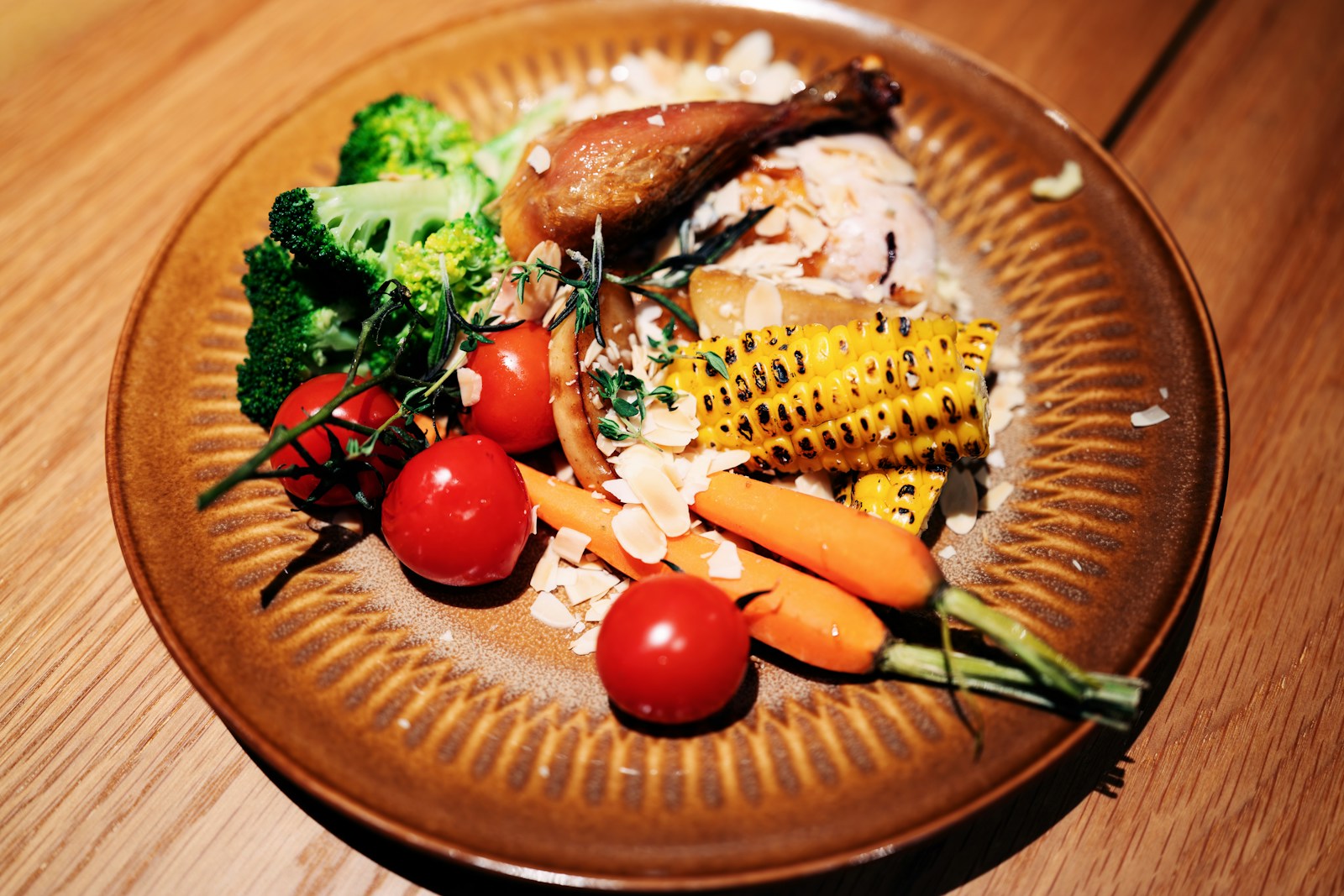
A useful training meal should be something you can actually cook, enjoy and repeat.
It does not need a special label, a perfect ratio of nutrients or a cupboard full of supplements. It needs to give you enough food for the day, include a source of protein, and fit the activity you are doing.
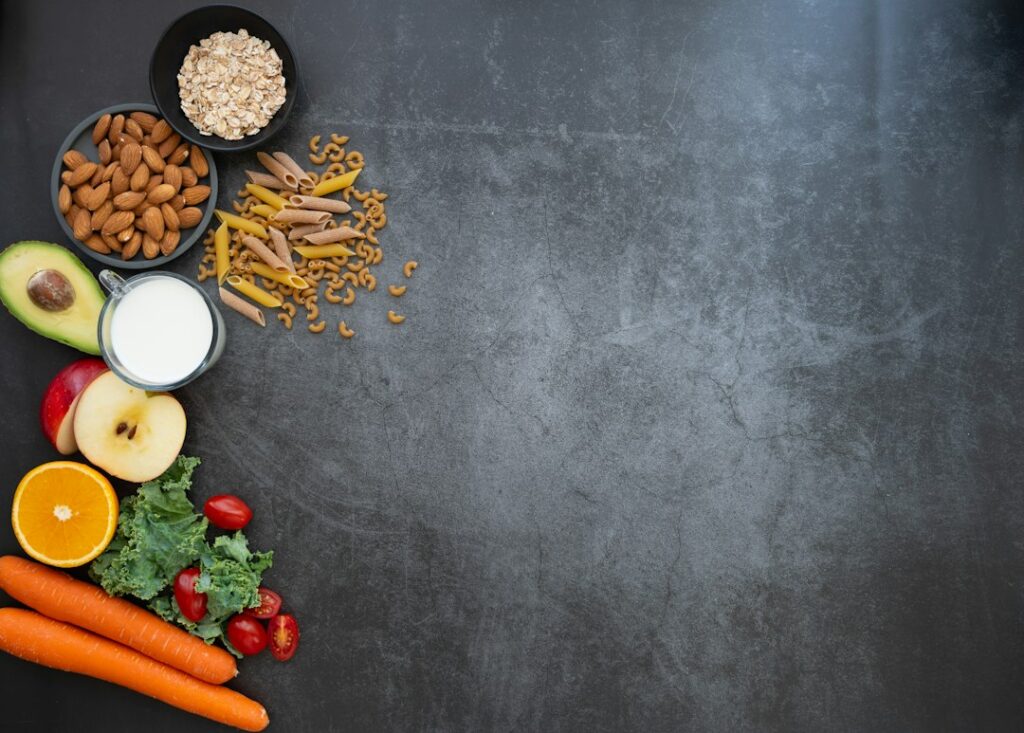
Think of a balanced plate as a checklist rather than a diagram you must reproduce exactly. The same ingredients can become a rice bowl, a sandwich, a pasta dish or a family dinner.
Here is a practical way to build that plate and adjust it when your training changes.
What a Balanced Plate Can Do for Your Training
Training and food work together. Carbohydrate helps supply fuel and replenish muscle glycogen. Protein supplies amino acids used in muscle repair and adaptation. You also need enough overall energy, dietary fat, fluids, vitamins and minerals. A protein shake cannot replace that foundation. [3]
The plate method in this article is a practical planning tool, not a validated prescription for your individual needs. A short gym session and a long endurance workout can require different amounts of food. Your appetite, body size, health, preferences and schedule also matter.
Build Your Meal in Four Steps
Start with a Protein Food
Choose something you enjoy: chicken, fish, eggs, yogurt, tofu, beans or lentils are possible starting points.
For people who exercise, protein requirements are often higher than the minimum recommended for a sedentary adult. The International Society of Sports Nutrition describes roughly 1.4–2.0 grams per kilogram per day as sufficient for most exercising individuals. That is a daily range, not a target you must fit into one meal. [4]
Include protein across your usual meals rather than relying on one very large serving at dinner. Portions can be assessed more precisely if your training or nutrition goals require it.
Add a Carbohydrate Source
Try rice, oats, potatoes, bread, pasta or another staple you regularly eat. Fruit and pulses can contribute carbohydrate too.
Carbohydrate needs vary with the amount and intensity of exercise. A hard or prolonged training day may call for more carbohydrate than a quiet day. Sport-specific guidance can help when a plate alone does not capture your fuel needs. [3]
Do not assume that removing the starch automatically improves a meal. Start by asking whether you have enough food to support the work you plan to do.
Include Vegetables or Fruit
Use a mix over the week rather than trying to buy every color at once. Fresh, frozen and appropriately canned options can all be useful. Whole grains, fruit, vegetables and pulses also help provide dietary fiber. [1]
A bag of frozen vegetables is a practical option for a busy evening. So is a piece of fruit alongside a sandwich.
Make Room for Dietary Fat
Olive or rapeseed oil, nuts, seeds and avocado are possible additions. Unsaturated fats are generally preferable to saturated and trans fats. [1]
Your meal may already contain fat in its main ingredients, so a separate addition is optional. A little dressing can make a meal more enjoyable without needing to turn the plate into an exact calculation.

Does Every Meal Need the Same Balance?
No. The NHS Eatwell Guide describes the balance of the overall diet. It does not require every meal to look identical; the balance can be considered across a day or week. Mixed dishes count too. [2]
For example, a bean-and-rice bowl provides more than one nutrient from each ingredient. Yogurt contributes protein and other nutrients. You do not have to assign each food to a single box.
Use the checklist to notice what might be missing, then make one useful addition. A lunch of plain noodles might benefit from tofu and vegetables. A plate of chicken and salad might need bread, rice or potatoes if you are preparing for substantial training.
Adjust the Plate to the Day
Before a More Demanding Session
Plan food that fits your schedule and is comfortable for you to eat. If a full meal is inconvenient, you can divide it into a meal and a snack. Nutrition strategies should account for the type, amount and timing of food and fluids in relation to training. [5]
Try familiar foods first. The day of an important session is a poor time to test an entirely new routine.
After Training
A normal meal that contains protein and carbohydrate can serve as a useful starting point. If there is a long gap before dinner, a convenient snack can bridge it. You might choose yogurt and fruit, a sandwich, or another option you already enjoy.
There is no need to make recovery food mysterious. The important question is how it fits into your overall nutrition and the next session, not whether its packaging says “fitness.” [3] [5]
On a Rest Day
Keep meals varied and include protein foods. Adjust amounts to your appetite and the day rather than treating rest as a reason to skip meals. A lighter activity day may look different from a long training day, but the basic ingredients can stay familiar.
Three Meals You Can Adapt
These are meal ideas, not calorie targets or individualized menus.
A Simple Rice Bowl
- Rice or another grain you enjoy
- Chicken, tofu or beans
- Broccoli, carrots or mixed vegetables
- A dressing or sauce you like
Batch the components separately so that tomorrow’s bowl can taste different. Swap the sauce, vegetables or protein food without rebuilding your whole routine.
A Sandwich Lunch
- Bread
- Eggs, tuna, hummus or another filling
- Tomato, cucumber or salad leaves
- Fruit or yogurt alongside, if useful
A meal can be balanced without being served on a plate. Additions depend on your appetite and what else you eat that day.
A Flexible Family Dinner
- Potatoes or pasta
- Fish, lentils or another main ingredient
- Roasted or steamed vegetables
- Herbs, spices and a little oil as needed
Everyone can use the same components while serving different amounts. That makes the approach easier to share at home.
Make the Routine Easy to Repeat
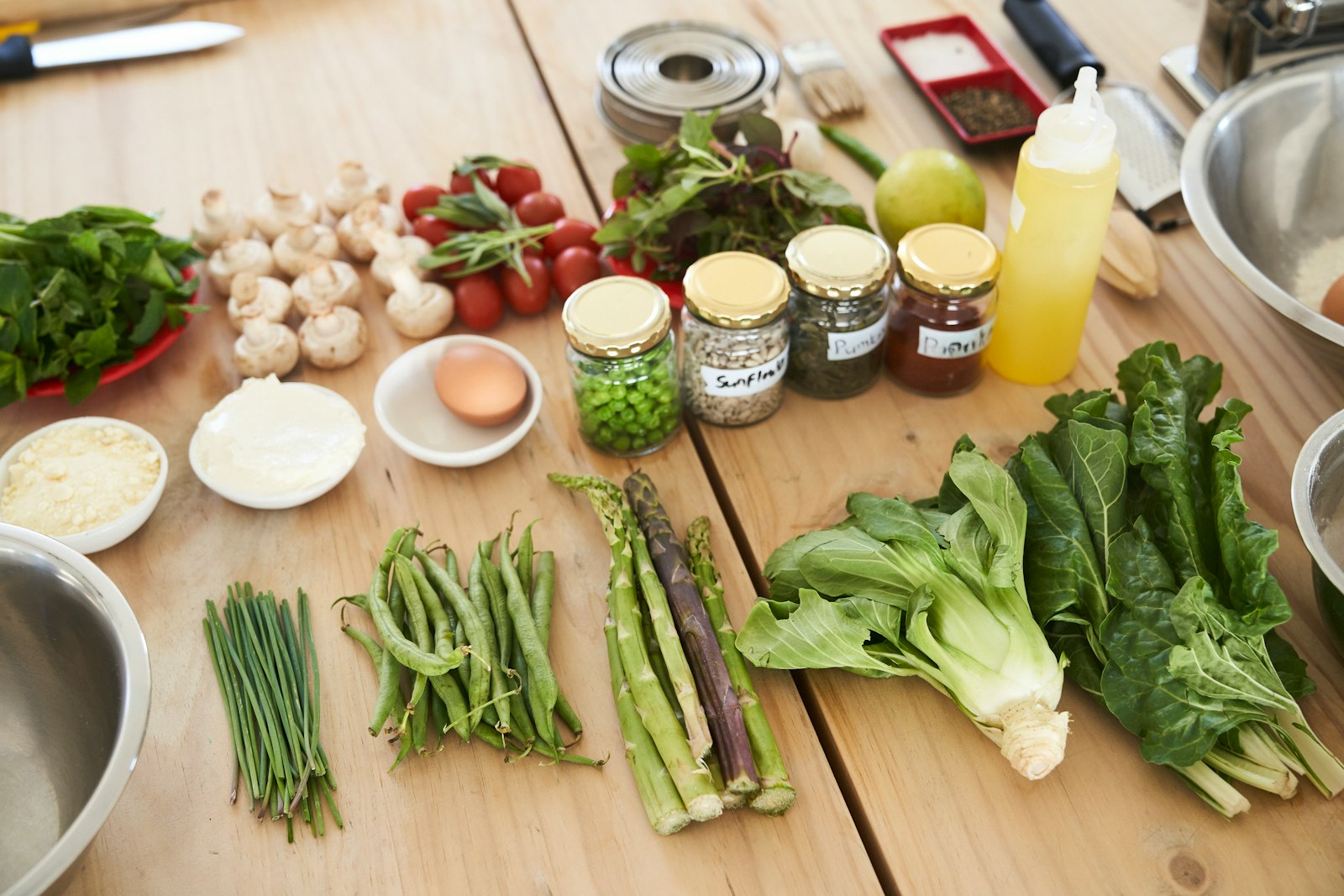
Choose two protein foods, two starches and a few vegetables that work with your budget. Keep one convenient backup meal for days when your plans change.
You might use frozen vegetables, canned beans, microwave rice and eggs. Convenience is useful when it helps you assemble a satisfying meal. Think about the overall pattern rather than demanding that every ingredient be prepared from scratch.
Before shopping, check which ingredients you already have. Before cooking, decide which leftovers you would enjoy tomorrow. These small decisions make a routine easier to maintain.
Avoid Turning Balance into Under-Fueling
An attractive plate can still contain too little food. In athletes, sustained or severe low energy availability can impair health and performance. The IOC’s consensus on Relative Energy Deficiency in Sport describes effects across several body systems, in both female and male athletes. [6]
Persistent fatigue, declining performance, repeated injuries or menstrual changes deserve professional assessment. They have several possible causes; a photo of your meals cannot diagnose them. A sports dietitian or qualified clinician can help evaluate whether your intake matches your training.
This is also why a plate template should not become a rule for continually shrinking portions.

FAQs
Do I Need to Count Macros?
Not to use this checklist. Begin with foods and a routine you can repeat. More detailed tracking may be useful for a particular goal, but individual requirements are better assessed in context than copied from somebody else’s plan.
Can This Work with a Vegetarian Diet?
Yes. Beans, lentils, tofu, eggs and dairy foods can be useful options depending on what you eat. A fully plant-based diet needs attention to the overall nutrition pattern, not only protein. The examples here are starting points, not a complete dietary assessment. [2]
Do I Need a Protein Shake After Every Workout?
No. Supplements may be convenient, but they do not replace an adequate diet. Choose them because they meet a real need, not because ordinary food seems less effective by default. [3]
Is a Balanced Plate Automatically a Fat-Loss Meal?
No. Food quality and total energy intake are different questions. The same ingredients can be served in amounts that support weight maintenance, gain or loss. Your plan should also support training and recovery rather than pursuing the smallest possible meal. [1] [6]
The Bottom Line
Build a meal around a protein food, a useful source of carbohydrate, vegetables or fruit, and dietary fat where it fits. Then adjust amounts and timing to your day.
The examples are flexible on purpose. You can use different cuisines, budgets and cooking styles while keeping the same checklist.
Start with one meal you already eat. Add what is missing, choose portions that suit your needs, and make the next repeat easier.
Disclaimer
This article provides general information and meal ideas. It is not a substitute for professional medical advice, diagnosis, treatment or an individualized sports-nutrition plan. Requirements differ with health, body size and training. Consult a qualified health professional or registered dietitian for advice specific to you.
Sources
- World Health Organization. Healthy diet. Updated January 26, 2026.
- NHS. The Eatwell Guide.
- NIH Office of Dietary Supplements. Dietary Supplements for Exercise and Athletic Performance: Health Professional Fact Sheet.
- Jäger R, Kerksick CM, Campbell BI, et al. (2017). International Society of Sports Nutrition Position Stand: protein and exercise. Journal of the International Society of Sports Nutrition, 14, 20. DOI: 10.1186/s12970-017-0177-8.
- Thomas DT, Erdman KA, Burke LM. (2016). American College of Sports Medicine Joint Position Statement. Nutrition and Athletic Performance. Medicine & Science in Sports & Exercise, 48(3), 543–568. DOI: 10.1249/MSS.0000000000000852.
- Mountjoy M, Ackerman KE, Bailey DM, et al. (2023). International Olympic Committee consensus statement on Relative Energy Deficiency in Sport (REDs). British Journal of Sports Medicine, 57(17), 1073–1097. DOI: 10.1136/bjsports-2023-106994.



Add comment