Use specific actions, simple feedback, realistic fallbacks, and a maintenance plan instead of expecting motivation or a new identity to do all the work.
Starting a plan can feel powerful. New meals. New workouts. New promises about the person you are going to become.
The harder question arrives later: what happens when the plan meets a busy week, a difficult mood, travel, or a day that does not leave room for your ideal routine?
I would build the answer into the plan from the beginning. Not because you lack discipline, but because ordinary life is not an unexpected interruption.
“A useful habit does not require a perfect day to have a version that still works.”
Replace vague intentions with actions you can observe
“Eat better” sounds positive but does not tell you what to do at lunchtime. “Be more consistent” does not decide what happens when a meeting runs late.
A 2026 systematic review of behavioral weight-management interventions associated more favorable outcomes with techniques such as goal setting, self-monitoring, feedback, and clear instruction. Because interventions combined techniques, these associations do not prove that one isolated technique caused the result. [1]
For coaching purposes, choose an action you can recognize when it is completed. “Prepare a suitable lunch for three workdays” is observable. “Become a healthy person” is not a practical instruction.
Keep the first version small enough that you can learn from it. You can develop a habit that exists. You cannot adjust an intention that never became a specific action.
Use monitoring to learn—not to prosecute yourself
The same review found benefits for behavioral interventions overall, but did not show a clear advantage for maintaining weight after the initial loss phase. Maintenance remains a separate challenge. [1]
That is a reason to use feedback carefully rather than turn every entry into a judgment of character.
A simple coaching log might record whether the chosen behavior happened and what made it easier or harder. You do not need to track every possible variable.
For example: “Lunch prepared; morning easier.” Or: “Missed planned session; travel delayed.” The useful next question is not “why am I bad at this?” It is “what should the next version of the plan account for?”
When tracking food, weight, or exercise increases distress or becomes compulsive, change the approach and seek appropriate support. A monitoring tool should serve you—not become another problem to manage.
Design a fallback before you need it
I suggest giving each important habit a normal version and a reduced version.
The normal version might be your complete planned workout. The reduced version could be the shorter, appropriate session you can perform when time is limited. A normal meal-preparation routine might involve cooking; its fallback might be a few convenient foods you have already chosen.
These are coaching examples, not proof that the smallest version produces identical physical results. The purpose is to avoid treating “less than ideal” as “nothing is worth doing.”
Write an if-then instruction: “When work prevents my usual session, I will use the shorter routine on the next suitable day.” Make sure the fallback fits your actual schedule instead of becoming another ambitious promise.
Make the environment part of the plan
Do not rely exclusively on remembering and resisting.
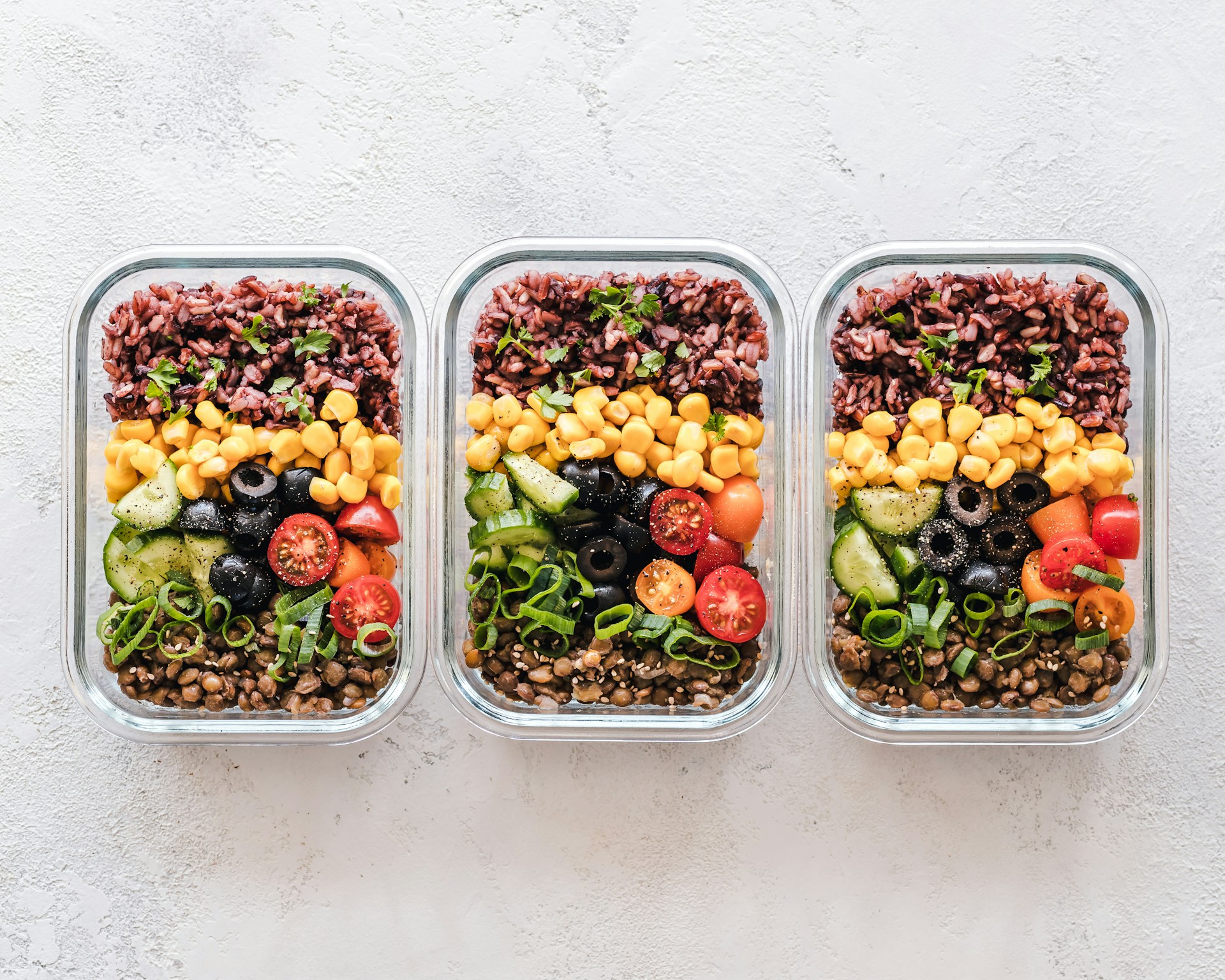
My practical suggestion is to prepare the next action where possible. Put the training session in the calendar. Keep the food needed for the next meal accessible. Decide which shopping items support your ordinary week. Arrange the equipment before the moment you intend to use it.
These choices do not eliminate every obstacle. They reduce the number of decisions you have to improvise when you are tired or busy.
Current diabetes-care standards also emphasize individualized behavioral and psychosocial support, rather than treating health behavior as a matter of instructions alone. Although that guidance is written for diabetes care, it reinforces the importance of considering barriers and support in context. [3]
The question is not whether you possess enough willpower. It is whether the plan asks willpower to solve problems that could be organized differently.
Keep identity useful, but do not make it a scientific guarantee
A phrase such as “I am someone who takes care of my health” may be personally meaningful. It can help describe the direction you want to move.
I would use it as an invitation, not a test. Missing one session does not mean you have stopped being that person.
The evidence reviewed here does not establish that identity-based habits are universally superior to goal setting, feedback, self-monitoring, or other approaches. Avoid turning an appealing coaching idea into a claim of proven dominance. [1]
Maintenance also deserves its own plan. A review of longer-term interventions found modest benefits from continued behavioral support involving diet and activity. [2] In practical terms, decide how support continues after the initial excitement or weight-loss phase—not only how the project begins.
Frequently asked questions
How long until a behavior becomes automatic?
I would not promise a universal number of days. Focus first on repeating a well-defined action in a workable setting, then adjust it based on what you learn rather than waiting for a deadline to transform it.
Does self-monitoring mean counting every calorie?
No. Monitoring can focus on a behavior, such as meal preparation or completed activity. Choose information that supports decisions and remains psychologically helpful. [1]
What should I do after a missed week?
Restart with the next suitable action, then review why the old plan did not fit. Avoid punishment workouts or extreme food restriction to “pay back” the interruption. The coaching aim is a workable next week, not compensation for the last one.
Summary
Lasting change needs more than a strong beginning.
Choose an observable action. Monitor enough to learn. Prepare a fallback. Organize the environment. Keep support available when the novelty disappears.
Your next step: take one habit you have been describing vaguely and write its normal version, reduced version, and restart rule. Make the plan specific enough to use on an ordinary difficult day.
Disclaimer
Disclaimer: The information provided in our articles is for informational purposes only and is not intended to be a substitute for professional medical advice, diagnosis, or treatment.
Sources
- Preuhs K, et al. (2026). Effective Behavior Change Techniques for Successful Weight Loss and Weight Loss Maintenance Among Adults With Overweight and Obesity: A Systematic Review and Meta-Analysis. Obesity Reviews, 27(9), e70195. doi:10.1111/obr.70195.
- Dombrowski SU, et al. (2014). Long term maintenance of weight loss with non-surgical interventions in obese adults: systematic review and meta-analyses of randomised controlled trials. BMJ, 348, g2646. doi:10.1136/bmj.g2646.
- American Diabetes Association Professional Practice Committee for Diabetes (2026). 5. Facilitating Positive Health Behaviors and Well-being to Improve Health Outcomes: Standards of Care in Diabetes—2026. Diabetes Care, 49(Supplement 1), S89–S131. doi:10.2337/dc26-S005.







Add comment