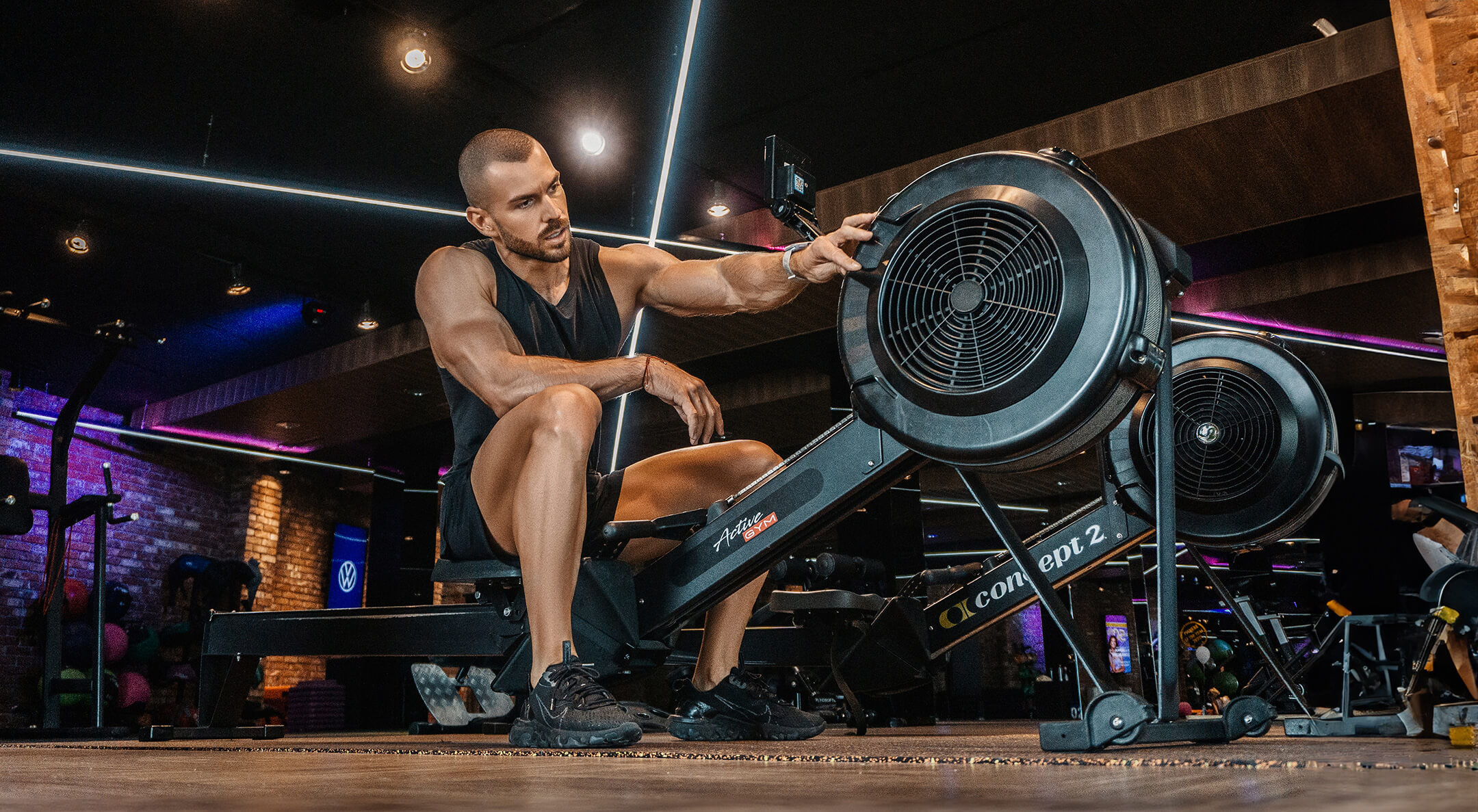
How to fit protein around rowing, running, or cycling while preserving carbohydrate and adequate energy.
You finish a difficult rowing session, drink a protein shake, and feel recovery is covered. Yet the next session feels flat. Protein may help, but it might already be the nutrient receiving the most attention while total food, carbohydrate, or recovery time is falling short.
The useful question is what your diet needs to support the work you want to repeat. One nutrient cannot do every recovery job.
Adaptation is different from immediate performance
Dietary protein provides amino acids for repair and adaptation, including structures involved in energy production. Endurance athletes therefore have a reason to plan protein even when muscle size is not the primary goal. [1]
An increase in protein synthesis after cycling, however, does not directly demonstrate a faster rowing time or better race performance. Keep the measured outcome attached to the claim. A promising metabolic result still needs evidence before becoming a performance guarantee.
Use a range in its training context
Broad sports guidance commonly places protein around 1.2-2.0 g/kg/day, adjusted for training and energy intake. A 2025 endurance-focused review proposes around 1.8 g/kg/day from contemporary metabolic requirement work, with some circumstances, including restricted carbohydrate availability, potentially increasing needs. That is an evidence-informed proposal, not a single established optimum for every athlete. [1][2]
For a hypothetical healthy 75 kg endurance athlete, 1.8 g/kg gives 135 g daily. That number can start a discussion with a sports dietitian; it cannot show whether the full diet provides enough energy.
Keep carbohydrate in the recovery meal
Protein supports tissue turnover; carbohydrate supports demanding exercise and helps restore glycogen in muscle and liver. Sufficient overall energy supports both. A low-calorie shake replacing a substantial meal can improve the protein number while making recovery intake less adequate. [2]
Build a meal with rice, potatoes, bread, or another carbohydrate source alongside fish, poultry, tofu, legumes, or dairy. Add foods and fluids that suit the wider day. Protein should contribute to a complete intake rather than displace it.
Before, during, and after training
A mixed meal before training can supply carbohydrate and protein when there is time to digest it. The interval, session duration, and your tolerance matter. An after-work athlete who ate lunch is in a different situation from someone starting before breakfast. Test unfamiliar foods in ordinary training rather than first using them before competition. [2]
During an ordinary short session, protein is usually not a priority. For prolonged demanding endurance work, plan carbohydrate and fluids first. The 2025 review found no compelling performance benefit from adding protein before or during exercise when carbohydrate recommendations were already met. When protein also adds calories, attributing a result to protein alone becomes difficult. [1]
After training, consider the next session. With a day or more before demanding work, sufficient ordinary meals may matter more than an exact minute. Closely spaced hard sessions create a stronger need for prompt refueling, particularly carbohydrate. That is a different issue from claiming muscle adaptation disappears without an immediate shake. [2]
A portable drink remains useful when travel, appetite, or work delays a meal. Pair it with appropriate food rather than assuming its protein content makes the whole recovery intake complete.
A practical day for an indoor rower
This is a coaching example, not a rowing feeding trial. A healthy 75 kg adult planning around 135 g protein could organize approximately 30 g at breakfast, 35 g at lunch, 25 g in an afternoon option, and 45 g at dinner.
That reaches the total without protein during the workout. Carbohydrate and overall portions respond to training demand. If dinner will be delayed, reorganize the snack or prepare a post-training option. The immediate problem is food access, not a newly discovered physiological deadline.
The framework can be adapted to running, cycling, or field sports, but that is an application of broader evidence rather than proof that every sport has identical requirements.
Bedtime protein and bigger recovery problems
Pre-sleep protein has increased overnight mitochondrial protein synthesis after endurance exercise. This supports a physiological effect, not proof that everyone needs a bedtime supplement or that it beats the same protein eaten earlier for long-term performance. Use a bedtime option when it comfortably closes a gap. [3]
Persistent exhaustion, repeated injuries, menstrual changes, or declining performance need broader assessment. Low energy availability is an important concern, and a high protein intake does not rule it out. Feeling full can coexist with eating too little for a heavy training block. [4]
Frequently asked questions
Will protein automatically make an endurance athlete bulky? No. Training stimulus, energy balance, and individual response influence changes in size. Supporting recovery is not the same objective as maximizing hypertrophy.
Can a plant-based athlete use this approach? Yes, with attention to sources, portions, and the whole diet. Deliberately planned plant-based diets have supported training adaptations; a dietary label alone does not establish adequacy. [5]
If you are reviewing the fuel alongside your protein, our carbohydrate guide explains how training demand changes that conversation.
Summary
Set an appropriate protein plan, keep recovery food accessible, and preserve carbohydrate, hydration, enough energy, and recovery time. Your next step is to plan the meal after your next demanding session around both that session and the work that follows.
Disclaimer
Disclaimer: The information provided in our articles is for informational purposes only and is not intended to be a substitute for professional medical advice, diagnosis, or treatment.
Sources
- Witard OC, Hearris M, Morgan PT (2025). Protein Nutrition for Endurance Athletes: A Metabolic Focus on Promoting Recovery and Training Adaptation. Sports Medicine. 55:1361-1376. DOI: 10.1007/s40279-025-02203-8.
- Thomas DT, Erdman KA, Burke LM (2016). Position of the Academy of Nutrition and Dietetics, Dietitians of Canada, and the American College of Sports Medicine: Nutrition and Athletic Performance. Journal of the Academy of Nutrition and Dietetics. 116:501-528. DOI: 10.1016/j.jand.2015.12.006. PubMed also lists a 2017 erratum, DOI 10.1016/j.jand.2016.11.008; not relied on for disputed numerical details.
- Trommelen J, van Lieshout GAA, Pabla P, et al. (2023). Pre-sleep Protein Ingestion Increases Mitochondrial Protein Synthesis Rates During Overnight Recovery from Endurance Exercise: A Randomized Controlled Trial. Sports Medicine. 53:1445-1455. DOI: 10.1007/s40279-023-01822-3.
- Sims ST, Kerksick CM, Smith-Ryan AE, et al. (2023). International society of sports nutrition position stand: nutritional concerns of the female athlete. Journal of the International Society of Sports Nutrition. 20:2204066. DOI: 10.1080/15502783.2023.2204066.
- Hevia-Larraín V, Gualano B, Longobardi I, et al. (2021). High-Protein Plant-Based Diet Versus a Protein-Matched Omnivorous Diet to Support Resistance Training Adaptations: A Comparison Between Habitual Vegans and Omnivores. Sports Medicine. 51:1317-1330. DOI: 10.1007/s40279-021-01434-9.







Add comment