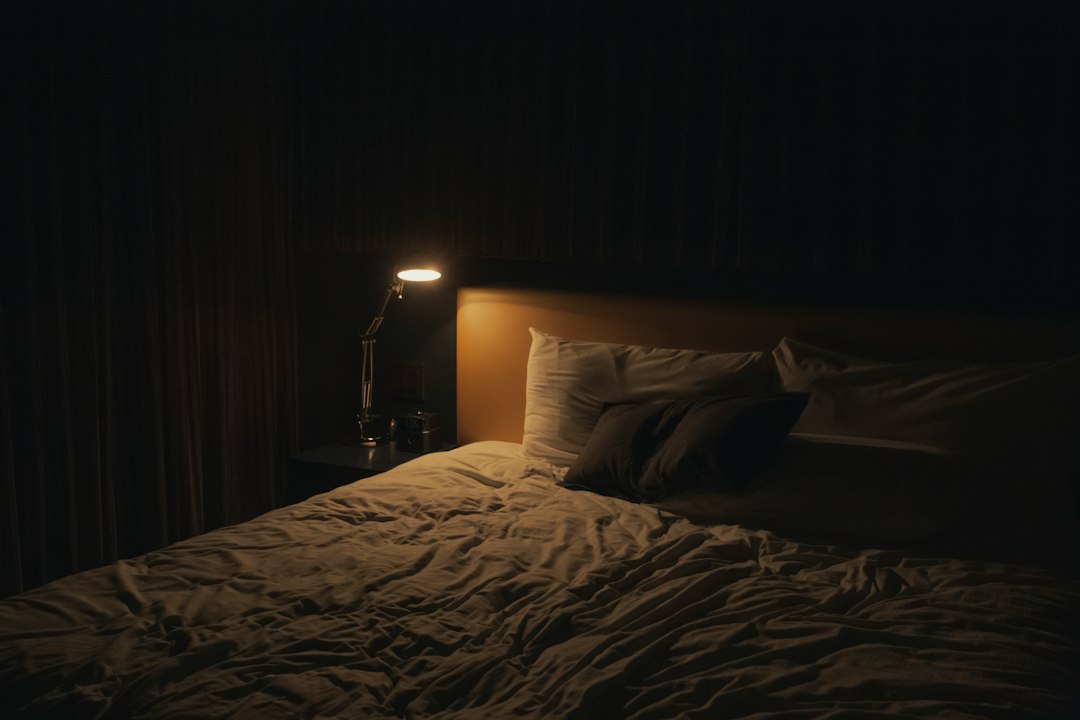
How to give sleep a realistic place in your training plan, respond to a poor night, and recognize when persistent problems need more than sleep-hygiene tips.
You would probably notice if your training plan repeatedly removed a third of your workout time. Yet sleep is often the first thing squeezed when the rest of life becomes busy.
Another episode. A late work message. An early alarm to compensate for yesterday’s missed session. None feels dramatic on its own. Together, they can leave recovery with whatever time happens to remain.
I would not make sleep another competition to win. I would give it something more useful: a protected place in the week.
“Recovery should have a place in the plan—not depend on the time left over.”
Start with opportunity, not a perfect score
CDC guidance recommends at least seven hours for adults aged 18–60, with age-specific ranges for older adults. Duration is not the whole story: repeated waking or feeling unrefreshed despite sufficient time can also signal poor sleep quality. [1]
Your first practical question is therefore simple: does your schedule provide a realistic opportunity to sleep?
A device may give a nightly number, but that number cannot decide whether your routine is sustainable. I would keep the review broader: when did you go to bed, when did you wake, and how were your alertness and functioning during the day?
Do not turn one unfavorable reading into a verdict. Look for repeated patterns and address the part of the routine that is actually adjustable.
Understand the training connection without catastrophizing
A systematic review and meta-analysis found that acute sleep loss can impair physical performance, with effects varying by the type and timing of sleep loss and the task being tested. [2]
That is a reason to take sleep seriously. It is not a reason to believe one imperfect night destroys your fitness.
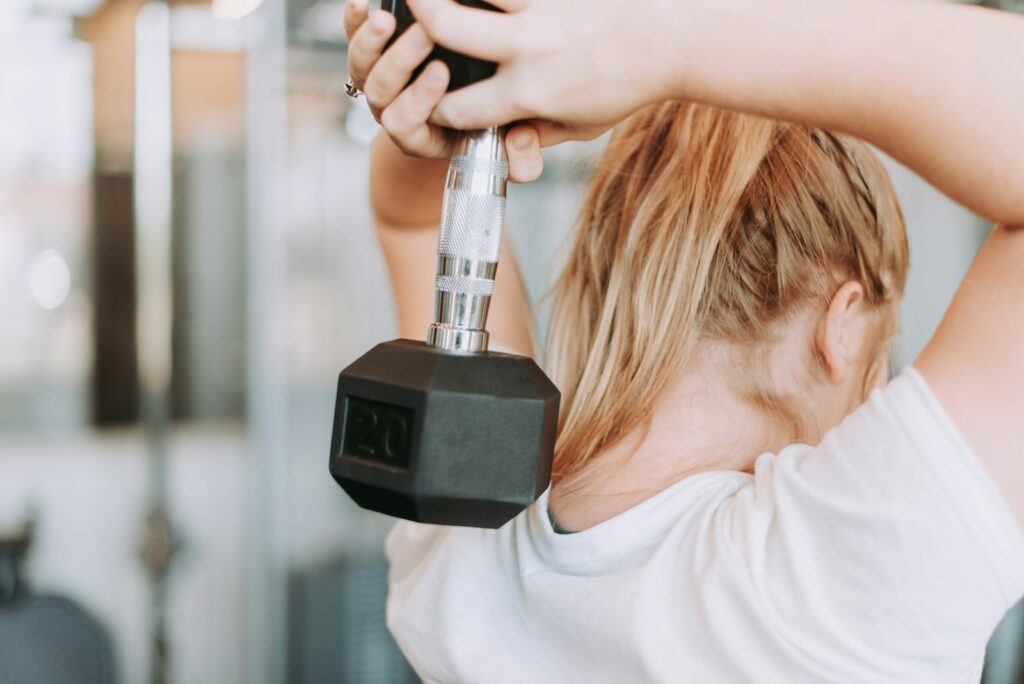
After a poor night, my coaching preference is to match the session to the person in front of me. Start with a normal warm-up. Check attention, movement control, and how the planned effort feels. An easier session, shorter session, or rest may be more appropriate than forcing a personal best.
The decision should be especially conservative when fatigue affects safety. Being determined is not a substitute for being alert enough to handle the equipment or activity.
Build an evening you can actually repeat
Here is a practical routine to test, not an insomnia treatment protocol.
Choose an approximate time when the demanding part of the day ends. Prepare what you need for the morning before that point. Reduce the temptation to reopen work or begin another stimulating task. Keep the bedroom comfortable and make bedtime a transition rather than an abrupt instruction to fall asleep.
Caffeine deserves attention. A systematic review found that its effect on subsequent sleep depends on factors including the dose and how close it is consumed to bedtime. There is no single cutoff that guarantees protection for everyone. [5]
A useful personal experiment is to move the last caffeine serving earlier and compare several otherwise similar days. Do not change bedtime, exercise, supplements, and caffeine simultaneously; then it becomes harder to understand what mattered.
Use naps and extra sleep as options, not obligations
The athlete sleep consensus emphasizes individual needs and discusses sleep extension and napping as possible strategies. The evidence does not justify prescribing the same extra amount of sleep to every athlete or promising that a particular extension improves every performance outcome. [3]
In practice, first ask whether you are regularly cutting sleep short. Protecting a larger nighttime opportunity may be more useful than adding another elaborate recovery intervention.
A short nap may fit some people’s day. For others it may be impractical or make the nighttime routine harder. I would treat it as an option to evaluate, not a compulsory marker of serious training.
The aim is a workable rhythm that leaves you appropriately rested—not the largest possible amount of time spent trying to sleep.
Know when ordinary advice is not enough
Persistent insomnia is not simply a failure to keep the bedroom dark. The American Academy of Sleep Medicine strongly recommends multicomponent cognitive behavioral therapy for insomnia, or CBT-I, and advises against using sleep hygiene as the sole treatment. [4]
That distinction matters. A general article can help organize habits, but it cannot diagnose the cause of repeated sleep difficulty or provide a complete treatment plan.
Seek assessment when problems persist, when daytime sleepiness affects functioning, or when there are concerns such as loud snoring with witnessed breathing interruptions. Do not keep adding supplements while the underlying problem remains unexplored. CDC guidance recommends discussing regular sleep problems with a healthcare provider. [1]
I would also avoid using a “recovery” identity to dismiss concerning symptoms. Exhaustion is not proof of a productive training life.
Frequently asked questions
Should everyone sleep nine hours?
No single number fits every adult. Start with age-appropriate guidance and consider how you function, while investigating persistent unrefreshing sleep rather than simply extending time in bed indefinitely. [1]
Should I cancel every workout after a bad night?
Not automatically. Adjust the decision to alertness, the activity’s risk, and how you respond to the warm-up. Do not choose a demanding or hazardous session just to protect a streak. [2]
Can sleep hygiene cure chronic insomnia?
Sleep-supportive habits can help, but they are not the recommended stand-alone treatment for chronic insomnia. Structured CBT-I has a different role and a stronger treatment recommendation. [4]
Summary
Sleep does not need more hype. It needs realistic room in your life and appropriate help when something is persistently wrong.
Protect a sensible opportunity. Review patterns rather than isolated scores. Adapt training when alertness is poor. And do not confuse a supplement routine with treatment for a sleep disorder.
Your next step: choose one evening boundary you can maintain this week. Prepare the next day before it, then protect the opportunity to switch off.
Disclaimer
Disclaimer: The information provided in our articles is for informational purposes only and is not intended to be a substitute for professional medical advice, diagnosis, or treatment.
Sources
- Centers for Disease Control and Prevention (2024). About Sleep. Official public-health information, updated May 15, 2024.
- Craven J, et al. (2022). Effects of Acute Sleep Loss on Physical Performance: A Systematic and Meta-Analytical Review. Sports Medicine, 52, 2669–2690. doi:10.1007/s40279-022-01706-y.
- Walsh NP, et al. (2021). Sleep and the athlete: narrative review and 2021 expert consensus recommendations. British Journal of Sports Medicine, 55, 356–368. doi:10.1136/bjsports-2020-102025.
- Edinger JD, et al. (2021). Behavioral and psychological treatments for chronic insomnia disorder in adults: an American Academy of Sleep Medicine clinical practice guideline. Journal of Clinical Sleep Medicine, 17, 255–262. doi:10.5664/jcsm.8986.
- Gardiner C, et al. (2023). The effect of caffeine on subsequent sleep: A systematic review and meta-analysis. Sleep Medicine Reviews, 69, 101764. doi:10.1016/j.smrv.2023.101764.


Add comment